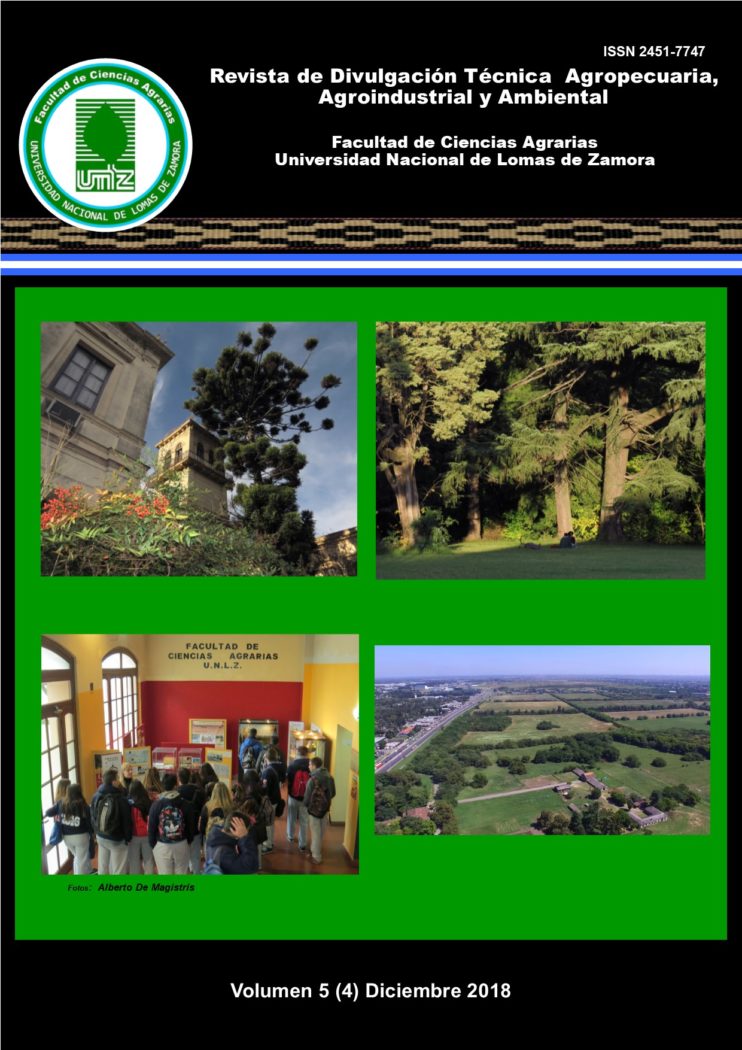
From the natural environment to the cultural landscape and the preservation of integral heritage in the Santa Catalina Provincial Nature Reserve (Buenos Aires Province, Argentina)
Keywords:
History, heritage, enviroment, communityAbstract
The Santa Catalina estate, a Provincial Nature Reserve and National Historic Site, encompasses 700 hectares within the transition zone between the Depressed Pampa and the Rolling Pampa. Approximately 6,500 years ago, these lands constituted the shoreline of the last marine transgression, which accounts for the current presence of its wetlands. The site maintains a rural and educational character similar to that of 130 years ago. Today, it also functions as an active center for environmental education and awareness. Indeed, the Santa Catalina Museum of Agrobotany, History, and Nature is the first museum of the National University of Lomas de Zamora, an institution located within the same premises. The objective of this work is to present an interpretation and characterization of the historical phases and the manner in which the surrounding population has interacted and continues to interact with the site, from aboriginal nomadic settlements to the present day. The documentary history of the estate dates back to the late 16th century, the era of the formation of the first 'estancias' in the Río de la Plata region. The establishment of a colony of Scottish farmers in 1825 marks a fundamental shift in agricultural land use. Subsequently, on August 6, 1883, the country's first Agronomic-Veterinary Institute was founded here. Nevertheless, since the end of the last century, the estate has been subject to a land-use change plan, fragmentation, and sale. In response, since 2007, the surrounding community has adopted an active role in the defense and preservation of the site.